If you have ever typed “online anxiety counseling near me” and felt unsure what to do next, you are not alone. Anxiety can make everyday tasks feel heavy. The good news is that help is close, and it can fit your life. With the right plan, online sessions can be personal, private, and effective. If you’re weighing your options, see Does Online Therapy Work? (And Which Platform Works Best in 2025) for a quick comparison.
Find a therapist near you.
Understanding Online Anxiety Counseling Near Me
Anxiety is more than worry. It can show up as racing thoughts, tight shoulders, trouble sleeping, or a fast heartbeat. It can make you avoid people and plans. When you understand what anxiety feels like, it gets easier to name your triggers and choose the right support.
Online counseling connects you with a trained therapist by video or phone. You get the same care as in-person sessions, with added comfort and flexibility.
If you’re curious about approaches that many online therapists use, start with Why Choose Cognitive Behavioral Therapy for Anxiety? and Cognitive Behavioral Therapy for Anxiety: Practical Strategies.
Effective counseling is a team effort. You bring your lived experience. Your therapist brings tools and structure. Together, you shape a plan that fits your schedule, your values, and your daily stress. Over time, many people recover faster from tough moments and feel more in control. If you want a practical overview of the process, skim Practical How-To Guide: Stress Management Counseling for Adults.
How It Works
- Clarify your goal. Before your first session, write one to three things you want to change. For example, “sleep through the night,” “handle meetings without panic,” or “enjoy family dinners.” Clear goals help you and your therapist measure progress.
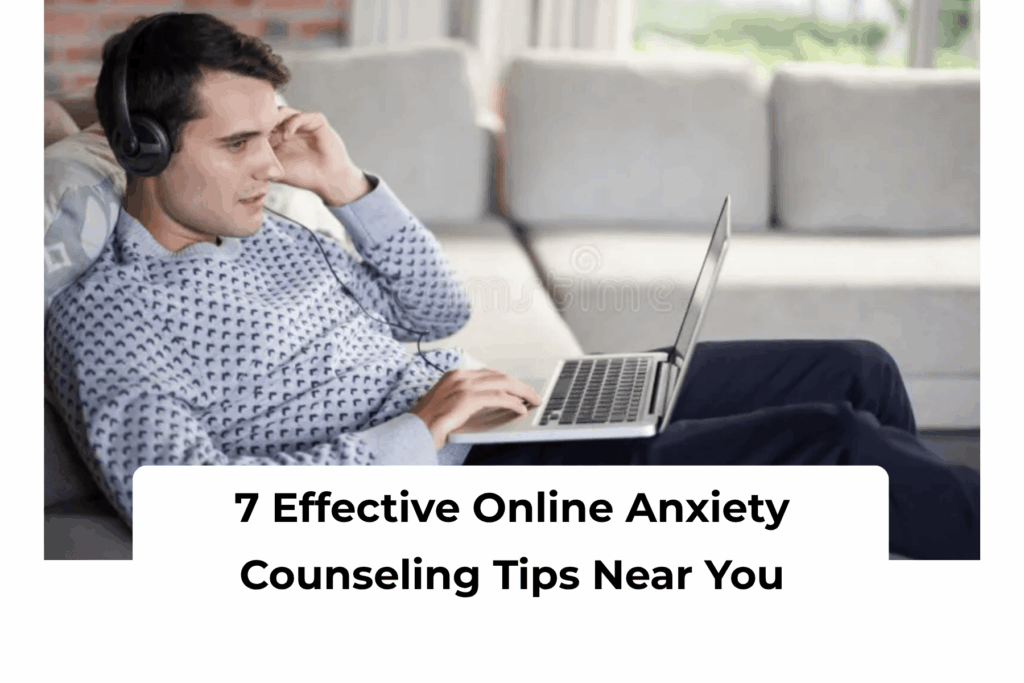
- Choose a private, calm space. Use headphones and a seat with good back support. Have a glass of water nearby. Tell family or roommates when you need quiet. A steady setup lowers stress and helps you focus.
- Test your tech. Check your internet, camera, and mic 10 minutes early. Keep your charger close. If video feels hard, ask for phone sessions. Feeling prepared reduces anxiety before you even begin.
- Track your week. Keep a simple log of sleep, caffeine, exercise, stress triggers, and wins. Bring it to sessions. This helps your therapist spot patterns and adjust your plan. Small notes can lead to big insight.
- Practice between sessions. Five minutes counts. For quick skills, try 3 CBT Tips to Reduce Anxiety Quickly. Real change happens in the days between appointments, not only during the hour.
- Review and refine. Every few weeks, look at what helps and what does not. If a tool is not a fit, say so. Ask for options. A flexible plan keeps you moving forward without feeling stuck.
- Build support. Share one skill with a trusted friend or partner. Create a simple “tough moments” plan: who to text, what to do first, where to calm down. Support turns skills into habits that last.
Find a therapist
Who It Helps & Benefits
Online anxiety counseling helps busy adults, parents, students, and caregivers. It works well if travel is tough, schedules are packed, or leaving home is hard. Many therapists use practical methods like CBT strategies to reduce worry, challenge unhelpful thoughts, and build healthier routines (see Cognitive Behavioral Therapy for Anxiety: Practical Strategies).
For broader context on stress work, you can also read What Is Stress Management Counseling for Adults? and Why Seek Stress Management Counseling for Adults?
People who stick with sessions often notice clearer thinking, steadier moods, and more confidence in daily choices. Therapy does more than offer tips; it strengthens pathways in your brain that support calm and focus.
Over time, many see benefits that reach beyond anxiety: better sleep, healthier boundaries, and a stronger sense of self. Even after sessions end, people can keep using their skills. Learn more about the long-term benefits of therapy to understand why consistency matters.
Real-Life Example
Jordan is a working parent who felt anxious before every team meeting. On the morning of presentations, their heart would pound and hands would shake. They started online counseling because leaving the office for appointments was not possible. In early sessions, Jordan learned a simple breathing routine and practiced a quick check of unhelpful thoughts.
They also set a small goal: “Share one idea in every meeting.”
After three weeks, Jordan noticed they could calm down faster. They kept a short log of triggers and wins. By week six, they shared two ideas in a meeting and felt proud. Anxiety did not vanish, but it stopped running the show. With steady practice and support, Jordan felt capable, prepared, and more present at home.
Myths vs Facts
- Myth: Online counseling is less personal.
Fact: Strong relationships can form on video or phone with clear goals and steady communication.
- Myth: You must be “really bad” to seek help.
Fact: Counseling supports growth at any stage, from mild stress to heavier worry.
- Myth: Skills only work in sessions.
Fact: Short, daily practice turns tools into automatic habits you can use anywhere.
Practical Tools You Can Try
- Box breathing: Inhale 4, hold 4, exhale 4, hold 4 (1–3 minutes). See Breathing Meditation for Anxiety: A 2-Minute Calm-Down.
- 5–4–3–2–1 grounding. Name 5 things you see, 4 you feel, 3 you hear, 2 you smell, 1 you taste. This simple scan pulls you back to the present.
- Thought check. Write the worry: “I will mess up.” Then write a balanced thought: “I can prepare well and do my best.” Add one action you will take now.
- Micro-wins: Two-minute tasks (refill water, stretch, tidy). For nights when worry spikes, try Anxiety at Night: 7 Coping Skills in 5 Minutes.
When to Seek Professional Help
Consider counseling if worry keeps you up, you avoid people/places you care about, or stress is shrinking your life.
You don’t need a crisis to start. If cost is a concern, see Therapy Without Insurance: Low-Cost & Sliding-Scale Options. You can also compare providers in What Are the Best Online Anxiety Counselors Near Me?
Conclusion
Online anxiety counseling near you can fit real life. With clear goals, steady practice, and the right guide, you can feel calmer, think clearer, and enjoy your days more. You deserve support that meets you where you are.
Get matched with a therapist now and take your next step with confidence.